
When industrial pipelines transport hot or cold fluids, good insulation is crucial. It conserves energy, safeguards workers and prevents pipes from freezing or overheating. We use aerogel blanket insulation at Surnano, and it’s incredibly thin but stops heat loss better than anything else. This allows pipelines to be held at the correct temperature without requiring too much bulk and weight. But sometimes people wonder if a steam barrier layer is necessary in addition to aerogel blankets. It’s not always obvious, and the answer will depend on the nature of the pipeline, such as what environment it is in and how you are using it. Readers wondered better how aerogel blankets worked, and why a steam barrier may or may not be necessary.
What We Get By Using Aerogel Blanket Insulation for Industrial Pipes and Pipelines
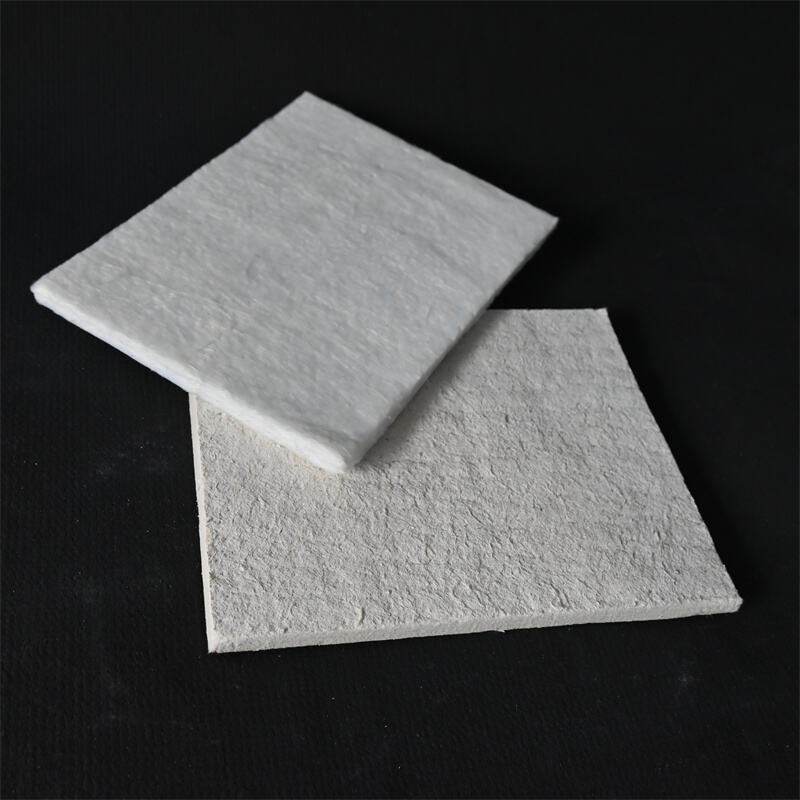
Aerogel Blanket insulation is unique in that it contains minute pores primarily occupied by air, which does little to conduct heat. The result of this is that relatively little heat gets out or into the pipe walls. On industrial pipelines, it prevents heat loss from hot pipes and cold pipes against gaining heat. Oftentimes, large diameter pipelines and vessels require thick insulation, but aerogel blankets accomplish much the same more efficiently with less thickness. Think of wrapping a pipe with a barely-there, soft blanket that’s lightweight but does a better job of retaining heat than thick foam. That’s the magic of aerogel. Plus, aerogel blankets are non-gyroscopic and they do not degrade easily. When insulation gets wet, materials come into contact and corrode faster because water conducts heat more quickly. Aerogel’s architecture also prevents water vapor and liquid water from getting in, which protects the insulation and the pipe. Pipes in industrial factories, refineries or power plants are often subjected to harsh environments. Aerogel blankets can withstand extreme temperatures and do not shrink or crack like other materials. That should mean fewer repair and a longer life. The Surnano aerogel blankets are produced under strict controlled condition to guarantee it’s quality consistency. Properly installed, they save energy and money. Aerogel blankets caused the heating bills at some companies to plummet by large margins. But aerogel blankets alone do not always halt steam or water vapor from passing through, especially if the pipe is sweating or in a wet location. That is why the idea of a steam barrier may be important.
Is an Adequate Steam Barrier Layer Required for Aerogel Blanket Insulation in Pipelines?
Steam barrier layers, also known as vapor barriers, are thin sheets or coatings that prevent steam or moisture from passing through the insulation. Whether you need one with aerogel blankets depends on a few factors. If you are using any insulation on your pipeline in a wet area or outside or infested with some other gaseous component, steam can try (an engineer term) to force its way inside. When steam comes in and cools down there, it is converted back to water. Both of those wet insulation and can lead to corrosion on the pipe. Here, a steam barrier is your very best friend. It prevents steam from getting into the insulation and making the aerogel damp and useless. However, not all pipelines will have such an added layer. For example, if a pipeline is located indoors where humidity can be controlled or the pipe’s surface temperature is always higher than the dew point (the point at which water begins to form), steam barriers may not be necessary. Second, the use of a steam barrier can add expense and complexity to installation. It has to be done carefully or moisture will become trapped inside and make things worse. At Surnano, our experience indicates that stems can be required depending on local conditions and pipe state. We partner with the clients to verify whether their pipes will be exposed to steam or moisture hazards. In certain industrial plants, chemical vapors or heavy rain require steam barriers. In still others, the aerogel blanket is naturally resistant to moisture. In some cases, projects use aerogel blanket insulation in conjunction with a thin metal or polymer steam barrier to achieve optimal protection. This combination will keep your insulation dry and permanent. So, a vapor barrier is not always required but generally recommended where moisture is a concern. There is no “right” answer, as it depends on the intended use for the pipeline, climate and design of insulation system. At Surnano, we assist clients with determining the right configuration for their pipelines, ensuring that energy is conserved and pipes remain safe.
Typical Problems of Installing Aerogel Blanket Insulation on Industrial Pipe
Workers have traditionally encountered some challenges when applying aerogel blanket insulation to industrial pipelines. Aerogel blankets are insulating liners that are extremely thin and lightweight but which keep heat from escaping the pipes. This is a great way to conserve electricity and prevent the pipes from being damaged. But aerogel is so light and fragile that it can be difficult to handle. One issue is ensuring that the insulation snugly surrounds the pipes, without gaps. If there are gaps, heat can escape and the insulation becomes less effective. The pipes in factories and plants, too, can occasionally get very hot or very cold; if not installed correctly, pipe insulation could shift or break.
Another issue is moisture. If steam or water vapor sneaks into the insulation, it may lead to rusting or corrosion of the pipelines. This is why some believe a steam barrier layer is necessary. The steam barrier is analogous to a watertight shield, preventing moisture from reaching the insulation. But the additional layer of a steam barrier is more work, and thus more expense. Occasionally, if the steam barrier is not properly installed, it can trap moisture in internally rather than keeping it out, sometimes doing even more damage.
We know how it works and we have developed aerogel blankets which are easy to apply and they offer a good protection of the pipelines. Our insulation performs well under the harshest of conditions while providing a steady, thin and flexible solution. With proper installation, many of these issues can be prevented and the pipelines kept safe and efficient.
What are the Recommended Practices for installing Aerogel Blanket Insulation Without Steam Barrier?
A common question we are asked is if you can install aerogel blanket insulation without a vapor barrier layer. The good news is that this can be done effectively with the right techniques. At Surnano, we've found the answer is preparation and detail at install. The first is that the pipes must be clean and dry before you can put on the insulation. Dirt, rust or moisture may cause trouble later on. Applying good sealer tape and overlapping the coverings when you wrap them will block air and moisture.
Another necessary step is to cover the aerogel blanket with protective coatings or jackets. These coatings protect against the elements, moisture and physical damage. They assist to maintain the insulation dry and safe without a steam barrier. And, installing the insulation such that the pipes can slightly breathe will prevent moisture from collecting on the inside. That means eschewing totally airtight seals that capture water vapor.
It is also very crucial to train the installers. Workers must also understand how to gently handle the lightweight aerogel blankets and prevent tears or punctures. In Surnano we give clear instructions and technical support to ensure insulation is correctly effected. Adherence to these good practices eliminates the requirement for steam barrier layer yet provides protection against the flow of moisture and heat loss in and away from the lines. This renders the installation quick and economical.
Why Wholesale Buyers Choose Aerogel Blanket Insulation for Industrial Pipeline Insulating Projects
Wholesale purchasers, such as factories and large construction companies, favor purchasing aerogel blanket insulation because it has many big benefits. For one thing, aerogel blankets are excellent at halting the egress of heat even though they are much thinner than most any other kind of insulation. That means buyers can conserve space on pipelines, a major consideration in dense industrial zones. Occupying less space eliminates the need for as much material overall, reducing costs.
Another reason wholesalers love aerogel insulation is how long it lasts. It is durable, and not easily decomposed by high temperature or under harsh environment. That means less maintenance and fewer replacements in time — and money and effort saved. Aerogel blankets are lightweight, and thus are easier to transport and install. This accelerates building projects, and cuts down on labor costs.
This is why Surnano’s flexible aerogel blanket is a particular favourite among wholesale buyers as it offers great performance and value in one. Our products are made for rugged industrial work environments and we stand behind them with installation support. Purchasers trust Surnano to create insulation that is effective and durable.
Finally, using aerogel blanketing helps companies to comply with energy-saving and environmental regulations. Indeed, because aerogel insulation cuts heat loss, it also curtails energy use and greenhouse gas emissions. It helps companies comply with laws and demonstrates their dedication to saving the planet. That’s why wholesale buyers have made aerogel blanket insulation from Surnano their intelligent and proven choice for industrial pipeline insulation.
Table of Contents
- What We Get By Using Aerogel Blanket Insulation for Industrial Pipes and Pipelines
- Is an Adequate Steam Barrier Layer Required for Aerogel Blanket Insulation in Pipelines?
- Typical Problems of Installing Aerogel Blanket Insulation on Industrial Pipe
- What are the Recommended Practices for installing Aerogel Blanket Insulation Without Steam Barrier?
- Why Wholesale Buyers Choose Aerogel Blanket Insulation for Industrial Pipeline Insulating Projects